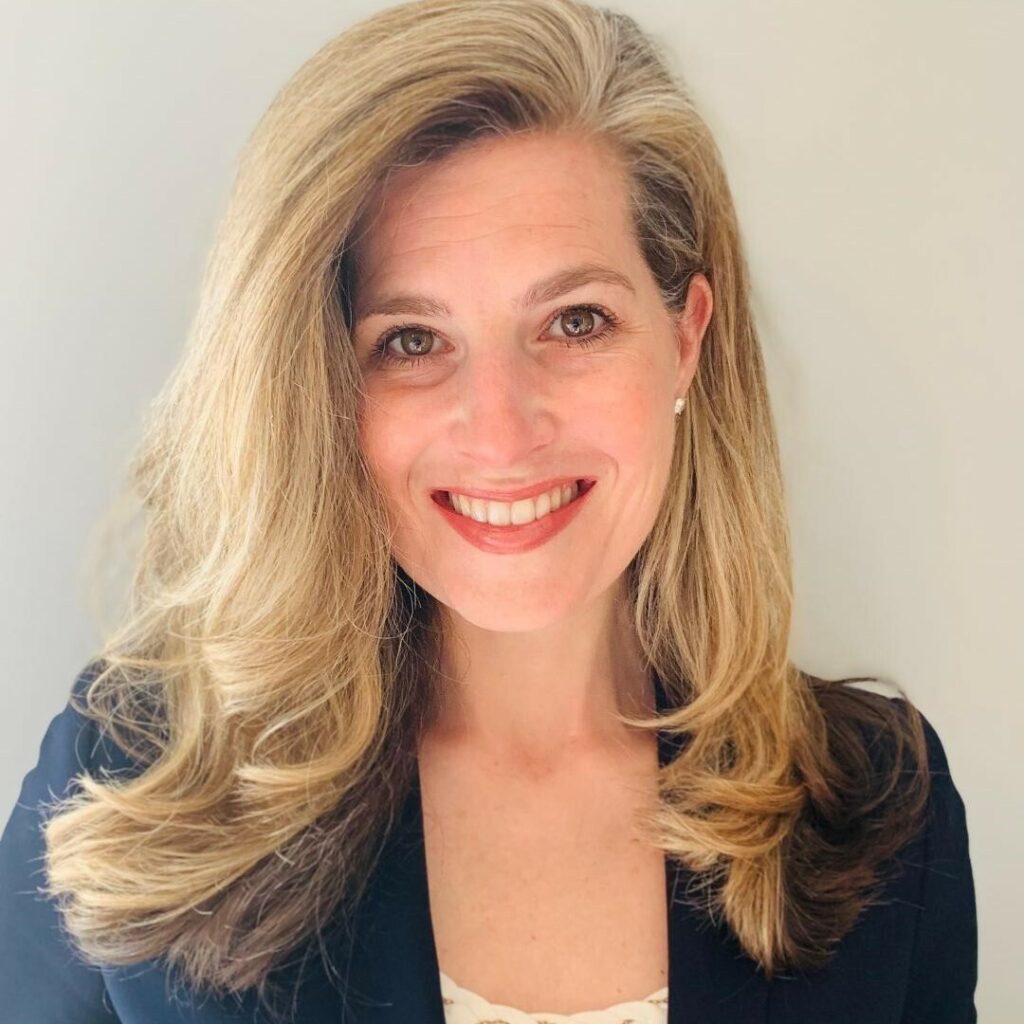
My name is Gloria, and I was diagnosed with myasthenia gravis ten years ago. My journey to diagnosis was not an easy one. For a long time, I went from one doctor to another searching for answers while my health continued to decline day by day. I experienced pain, exhaustion, and deep anxiety because I did not understand what was happening to my body.
Like many people living with rare or lesser-known diseases, there were times when I was made to feel that my symptoms were not real. Some even suggested that everything was in my imagination. However, I knew that something was wrong. Eventually, I found a neurologist who listened to my story, carefully studied my case, and ordered the necessary tests. Thanks to a repetitive nerve stimulation test, I finally received a diagnosis of myasthenia gravis.
Receiving a diagnosis was both difficult and relieving. At last, I had an answer. My doctor explained that my life would change and that I would need to learn how to live with a chronic illness. At the time, I had no idea how much I would learn about strength, resilience, and adaptation.
The first few years were filled with uncertainty. I searched for answers, consulted different specialists, and tried to understand why my body reacted so differently from one day to the next. Little by little, I learned to listen to myself, recognize my limits, and understand that asking for help is not a sign of weakness but an act of courage.
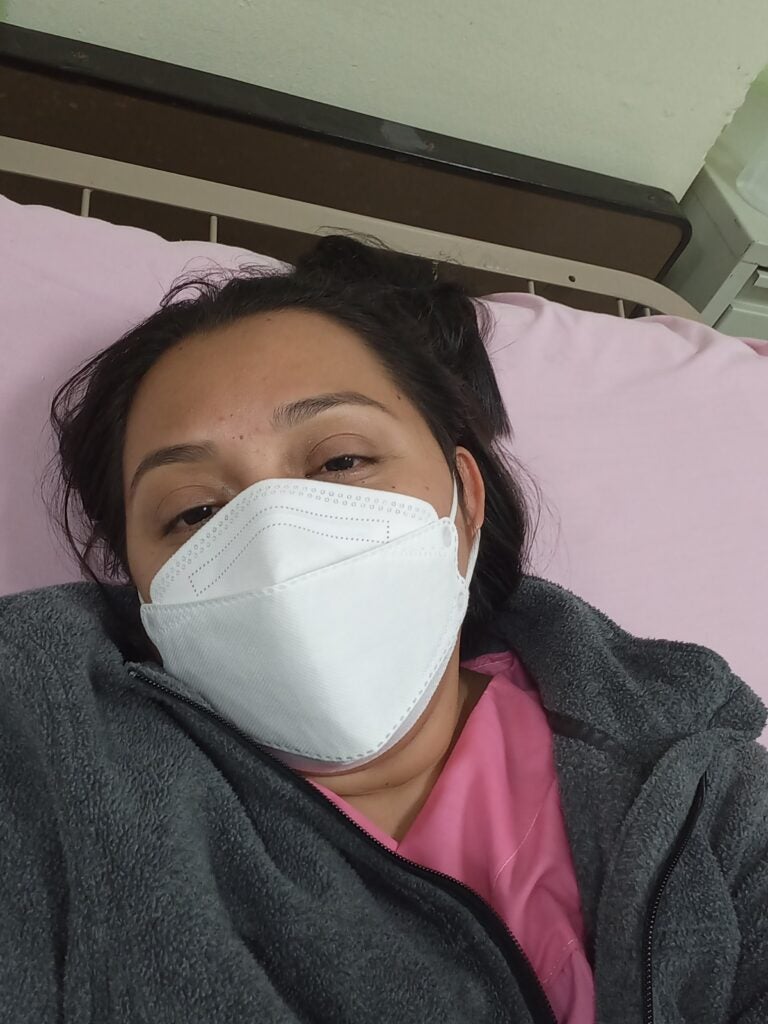
Living with myasthenia gravis has transformed my life. I used to be completely independent; today, I need support with many daily activities, including caring for my children. Yet far from feeling ashamed, I am proud of everything I have accomplished despite the challenges. Every day represents a new opportunity to keep moving forward.
I am the mother of two wonderful children. My oldest daughter has been my companion and source of strength ever since the disease appeared when she was still very young. My youngest son came into this world when many doctors believed that another pregnancy would be too risky. He is a constant reminder that hope and love can open doors where none seem to exist.
Myasthenia gravis has taught me that every person experiences this disease differently. There are good days, difficult days, and days when the only option is to stop and rest. I have learned the importance of respecting my limits, following my treatment plan, and surrounding myself with knowledgeable healthcare professionals who understand the complexity of this condition.
Today, medications such as Mestinon, prednisone, azathioprine, and rituximab help me maintain stability. Although they do not eliminate all my symptoms, they allow me to continue fighting for a better quality of life. As a seronegative patient, I know there are still many challenges and research gaps, but I remain hopeful that scientific advances will continue to create new opportunities for all those living with this disease.
If I could share one message with those who have just received a diagnosis, it would be this: you are not alone. It is normal to feel fear, uncertainty, and sadness. But it is also possible to find strength, build a support network, and discover a resilience you may not have known you possessed.
Myasthenia gravis is part of my life, but it does not define who I am. I am a mother, a wife, a woman, a dreamer, and a fighter. My story is not only a story about illness—it is a story of love, perseverance, and hope.
To all the patients, family members, caregivers, and healthcare professionals who are part of this community: thank you for walking this journey with us.